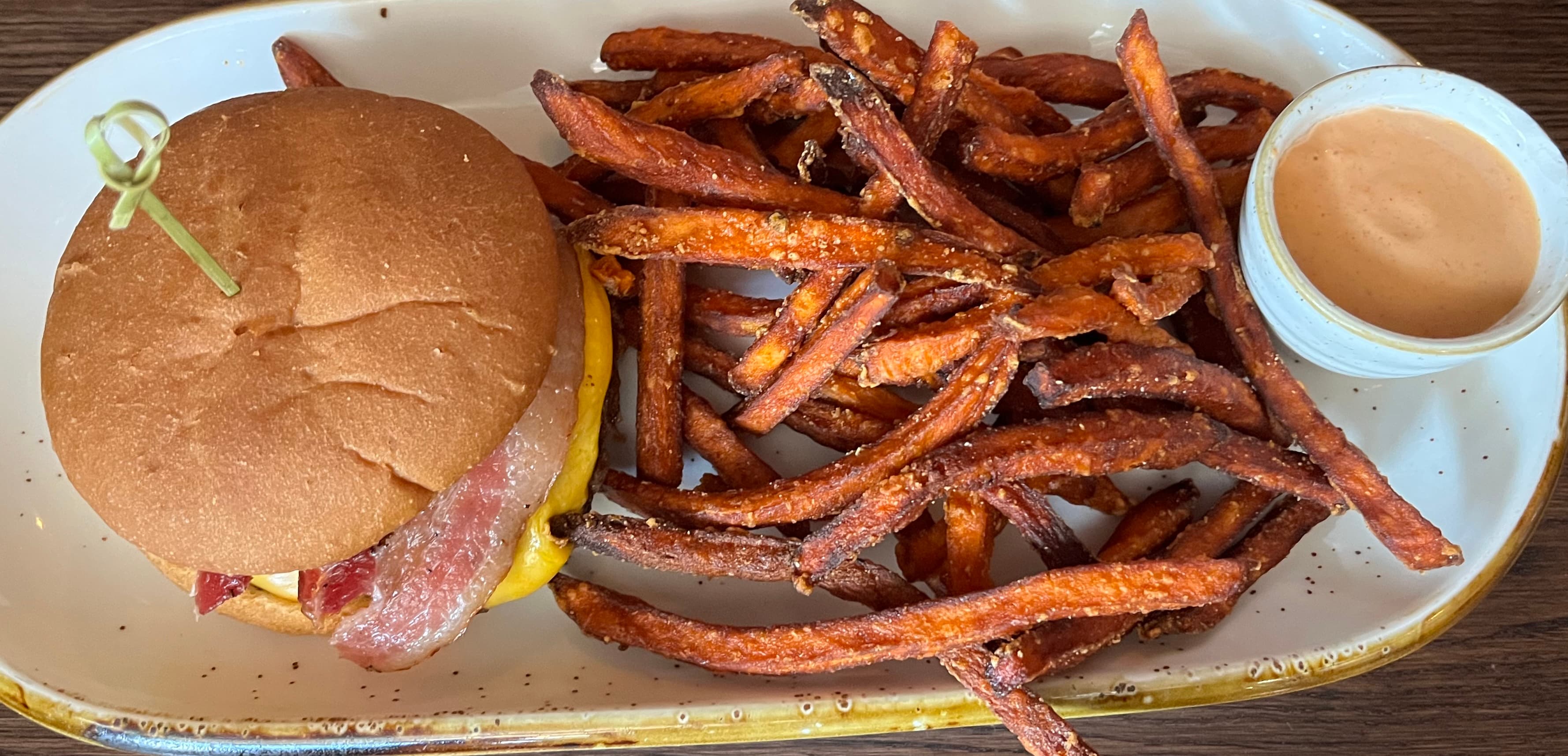
Despite affecting 1 in 133 Americans, celiac disease is often misunderstood and overlooked in everyday life. From trying to find gluten free options at the grocery store to going out with friends at a restaurant, celiac can cause physical, mental, and financial burdens. Community, advocacy, and awareness are key to improving the quality of life for celiacs in the United States.
What is celiac disease?
Celiac disease is an autoimmune condition where eating gluten (a protein found in foods containing wheat, barley or rye) triggers an immune response in the small intestine that damages the small intestine's lining and causes malabsorption over time.
Celiac disease affects approximately 1% of the American population, but research indicates that roughly 83% of those with celiac disease are misdiagnosed or undiagnosed, suggesting the disease affects a much larger percentage of the world.
Symptoms vary greatly, but often include digestive symptoms such as nausea, fatigue, and loss of bone density. The longer celiac disease is untreated increases an individual's chances of developing severe symptoms. For example, after age 20, those with celiac have a 34% chance of developing another autoimmune condition. Lack of treatment can also lead to multiple sclerosis (MS), type 1 diabetes, and other diseases.
What is cross-contact?
Cross-contact is when gluten free foods come into contact with gluten-containing foods. This can occur at any point in the manufacturing process, while cooking, or even while serving food. Gluten is not a bacteria and cannot be sanitized away, meaning equipment must be thoroughly cleaned to get rid of gluten. Examples of cross-contact include toasting gluten free and gluten-containing bread in the same toaster, double dipping a knife into a jar of peanut butter after spreading it on bread, and putting a pair of tongs used for croutons back in the (previously gluten free) lettuce bowl at a buffet.
Over 10mg of gluten over the course of a day can damage to a celiac's small intestine -- approximately a singular crumb of bread -- making the prevention of cross-contact crucial to treating the disease.
Anxiety eating out at restaurants
Cross-contact is a huge deterrent for eating out of the home for many celiacs. Going out to restaurants often involves checking the menu ahead of time, checking if the restaurant is on FindMeGlutenFree, and asking countless questions before ordering. Some items on menus obviously have gluten, such as pasta and bread, while others are unsafe because of cross-contact or hidden gluten. For example, most restaurants do not have a separate fryer for french fries, meaning celiacs can't have the fries because they're fried in the same oil as breaded chicken. Other times, a sauce uses flour as a thickening agent or a protein was marinaded in soy sauce or beer. Knowing the right questions to ask at restaurants and how to advocate for yourself takes time and can often cause anxiety if waitstaff are unfamiliar with gluten and cross-contact.
The anxiety caused by these considerations means that celiac disease can significantly reduce quality of life, especially for those who strictly adhere to the diet and avoid unsafe situations. In one study, teenagers who were more preoccupied with maintaining a gluten free diet stated that they often skip social functions involving food and experience anxiety around family gatherings. Another study found that on dates, celiacs are more likely to engage in riskier eating behaviors and not explain their needs to waiters, and some even resorted to eating gluten. Many study participants also reported avoiding meal-centric dates at the beginning of relationships so they wouldn't need to share the diagnosis before developing a connection with a person.
The struggles of grocery shopping
Grocery shopping with celiac involves constantly checking the ingredients on every item before putting it in your cart, sighing when the only gluten free option is out of stock, and grimacing at the grocery bill.
Checking the ingredients is a particularly convoluted process unless an item is labeled gluten free. The FDA requires that foods labeled gluten free "must contain less than 20 parts per million (ppm) of gluten." However, since this is a voluntary label, there are plenty of foods that are gluten free but are not labeled as such. Trying to purchase a product that isn't labeled involves checking a manufacturer's website, Google searches, scanning the label on Fig, and other precautions. This lack of clarity renders grocery shopping more time consuming and stressful.
In 87 other countries, such as Brazil, all food labels must carry information about gluten, reading either "contains gluten" or "does not contain gluten," but the United States has no such regulations. While wheat is labeled as an allergen on all US food products, other sources of gluten such as barley and malt are not labeled as allergens. For example, Lindt chocolate truffles do not contain wheat, but do contain gluten in the form of barley malt powder. Requiring labelling gluten as an allergen would make the lives of American celiacs much easier. A recent strategy report from the White House suggested this to be a major priority for the "Make America Healthy Again" campaign, which advised the FDA to recommend "disclosures of ingredients that impact certain health conditions, such as gluten for those with Celiac disease." If the administration follows through on this strategy, it could make a huge difference in the lives of American celiacs.
Besides the time and energy cost, gluten free groceries come with a higher price tag. To evaluate the financial burden of celiac disease while grocery shopping, I looked at seven of the most popular stores in the US: H-E-B, Kroger, Publix, Sam's Club, Target, Trader Joe's, and Walmart. Using each grocery chain's website, I searched for the cheapest common grocery items that would need gluten free swaps, such as flour, bread, and rolled oats. This is a non-exhaustive list, of course, as a gluten free diet also includes swapping sauces, seasonings, and plenty of other items containing "hidden" gluten or manufactured in a shared facility. I found a huge gap: these swaps were 17 cents more expensive per ounce on average across all stores. If someone with celiac and someone who eats gluten each purchased a single 20-oz loaf of bread every week, the celiac would spend $270 more than the person buying regular bread.
Additionally, the regular food packages tended to be larger than the gluten free counterparts. For example, a typical box of spaghetti contains 16 ounces of pasta, whereas common gluten free spaghetti offerings are only 12 ounces. Surprisingly, the gluten free option had not only fewer calories per serving, but less protein and fiber as well.
There were also noticeable differences in prices between stores. Publix and Trader Joe's were the most expensive for both gluten free and regular items, with the average cost of the selected items being 21 cents for regular and 40 cents for gluten free at Publix. Kroger and Walmart had the highest "gluten free tax," or the highest price difference between regular and GF.
While HEB was 2 cents more expensive for regular items than Kroger, Sam's Club, and Walmart, gluten free items are only 14 cents more expensive on average, meaning they had the most reasonably priced gluten free items. I suspect this is because HEB brand makes some of the items on the list, such as their own flour blend and pasta. The pasta, for example, was only 13 cents per ounce, compared to other stores carrying only Barilla for 28 cents per ounce.
Not only does HEB reasonably price their gluten free items, they also label their price tags in their aisles. These considerations make grocery shopping much easier and in my experience, significantly decreases the amount of time spent Googling "is XYZ gluten free" and scanning every ingredients label.

Community-building and advocacy
Finding a supportive community (such as an app, on social media, or friends and family who choose restaurants with you in mind) has been key to alleviating my stress and anxiety around food. A month after my diagnosis, I traveled to Europe and felt helpless and panicked trying to find food options in Monaco. There were no gluten free options nearby, and with the language barrier and limited time, I ended up eating gluten. Since then, planning and knowing how to advocate for myself has made traveling easier and less stressful. The FindMeGlutenFree app is phenomenal in well-traveled areas and I've found some gluten free gold mines in places like Estes Park, CO and São Paulo, Brazil. The app allows users to add reviews and safety ratings of restaurants depending on how knowledgeable waitstaff is and how many options there are. This, in addition with gluten free content creators sharing cool restaurants around the world, has made finding options easier. If I know I'm going to be visiting somewhere specific the next day, I check for food options in the area ahead of time on FindMeGlutenFree so that I can plan where to eat. Or, if my friends select a restaurant that isn't on the app, I check the menu ahead of time and call to see what I can have, or in the worst case scenario, eat ahead of time or bring food with me.
However, in less-traveled places, the app often doesn't have any options because the app relies on crowdsourcing reviews. At first, this felt like scary, uncharted territory, but I've learned to navigate restaurant menus to determine what meals are likely gluten free and have less likelihood of cross-contact. For example, in Guarujá, Brazil, there were no options in the city on the app, so we went to my favorite childhood restaurant down the beach. They serve primarily proteins with rice, beans, french fries, and other dishes, but no gluten free items were marked on the menu. After explaining my issue to the waiter, I was able to safely order a beef parmigiana without the breading and sautéed potatoes on the side instead of fries. Asking if there's a shared fryer, if they can change gloves and utensils, or for a scoop of ice cream from an unopened container (often called an "allergy scoop") induces anxiety for me, but the more I do it, the more comfortable and confident I am advocating for myself. After asking questions and assessing the knowledge and safety of a particular restaurant, I add a review to the FindMeGlutenFree app to help expand the app's database of restaurants and hopefully help other celiacs like me.
Ultimately, living with celiac is more than just eating gluten-free foods. The difficulties of grocery shopping, eating out, and sometimes even navigating a shared kitchen space at home requires a lot of learning and reliance on others' knowledgeability. The best restaurants and events are often those where they are celiac or know someone with celiac, demonstrating the power that just knowing what the disease is can have on how seriously gluten problems are taken in society. Events such as Celiac Awareness Night at MLB games and increased screening can shine a light on the severity of the disease for those who lack personal connections to celiac. With more visibility and transparency about gluten, American celiacs can live easier and more freely without fearing every meal.